

By Sachin S. Parikh
As a double board-certified plastic surgeon who specializes in facial surgery and hair restoration, I am often approached in the early stages of hair loss for solutions. I was recently featured in two Vogue articles exploring thinning hair and scalp serums.
When Is Thinning Hair More Than a Hair-Care Issue?
Hair thinning can happen for many different reasons, including genetics, hormonal changes, stress, illness, nutritional deficiencies, medications and certain styling practices. That’s why I don’t believe there’s one serum, supplement or treatment that’s right for everyone. For some patients, the first step may be addressing an underlying deficiency or another contributing factor. For certain types of hair loss, evidence-based treatments such as minoxidil or finasteride may be appropriate. Other patients may benefit from nonsurgical approaches designed to preserve existing hair and support growth.
This is also why I prefer to see patients before hair loss becomes significant. Coming in for a hair restoration consultation doesn’t mean you’re automatically having surgery. It gives us an opportunity to evaluate what’s happening and determine whether we can do something now to help preserve the hair you still have.
What I Shared With Vogue
In Vogue’s coverage of Scalp Serums, I was asked to weigh in on several formulations designed to address concerns ranging from hairline density to early thinning. I also contributed to Vogue’s Guide to Products for Thinning Hair, which looked at products intended to support people experiencing shedding and changes in hair density. These are increasingly common concerns. As more patients become proactive about their hair health, they’re also looking for products they can use at home before, or instead of, seeking professional treatment.
I also weighed in on emerging ingredients like PDRN, noting that, “While the evidence for scalp use is still developing, it’s part of a broader movement toward regenerative scalp care.” Other products we discussed were formulated to support the hairline and edges, with ingredients intended to support the hair fiber and address traction-related stress. These products can play a supportive role in hair and scalp health. But there’s also a point where the conversation needs to go beyond the product.
From Scalp Serums to Hair Restoration
As a facial plastic surgeon who specializes in hair restoration, I see scalp serums as one piece of a much larger conversation. If someone is dealing with dryness, breakage, scalp buildup or very early changes in hair appearance, a well-chosen product may help. But when someone begins noticing persistent shedding, a widening part, a receding hairline or progressively reduced density, my first question isn’t necessarily which serum they’re using.
It’s: Why is the hair thinning? That’s the distinction I want patients to understand. Supporting the scalp and existing hair is different from treating an underlying hair-loss condition. And the earlier we understand what’s happening, the more options we may have.
When Does Hair Loss Become a Hair Transplant Conversation?
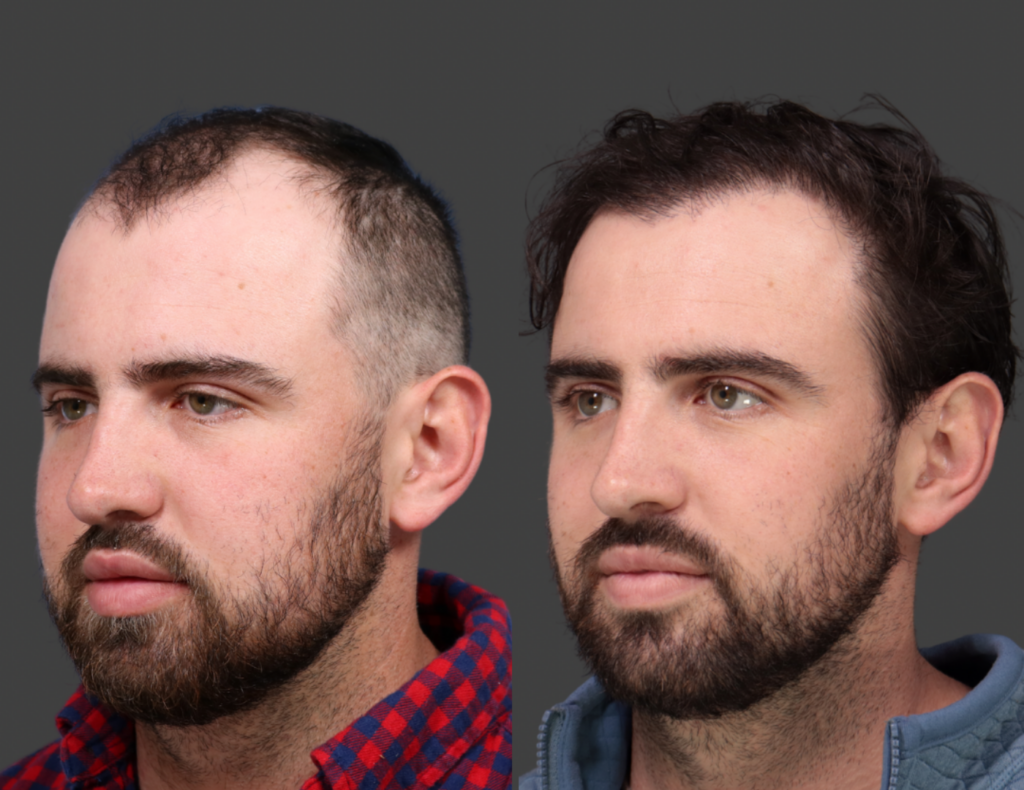
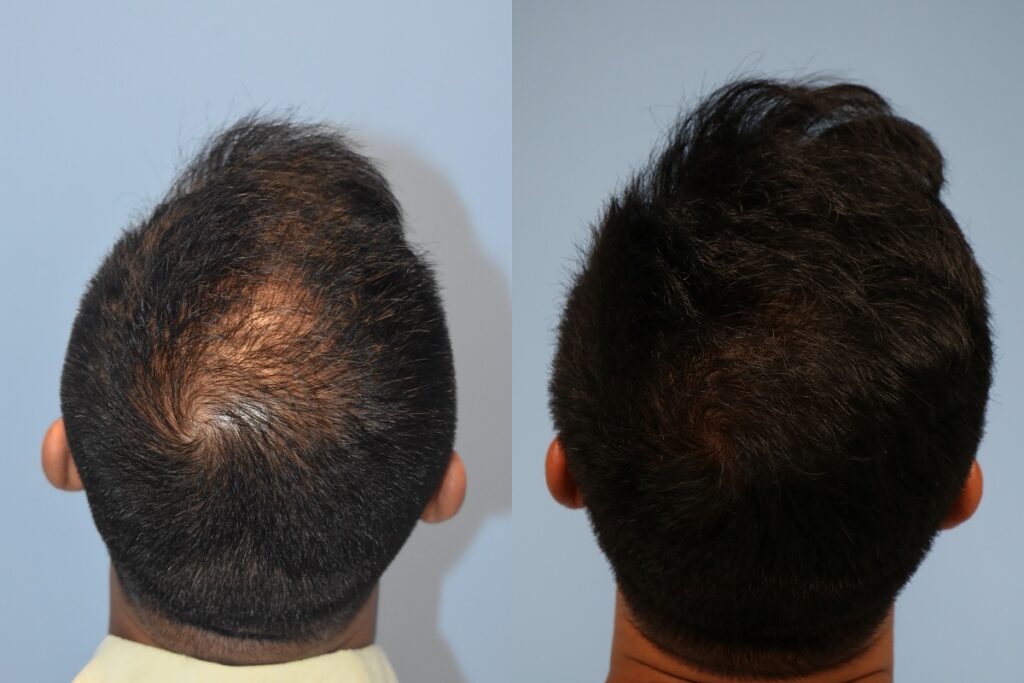
There are limitations to what topical products and nonsurgical treatments can accomplish. Once follicles are no longer producing hair in a particular area, improving scalp health or making the surrounding hair healthier may not restore the density that’s already been lost. That’s when I may begin discussing surgical hair restoration. One technique I use is follicular unit extraction, or FUE hair transplantation. With FUE, individual follicular units are harvested from donor areas and strategically transplanted into areas where we want to restore coverage or density. But for me, successful hair restoration isn’t simply about adding more hair. It has to look natural.
Why My Background in Facial Plastic Surgery Matters in Hair Restoration
I look at the hairline as part of the face. Its position, shape, density, and relationship to the forehead influence facial proportions and how we perceive age. So when I’m planning a hair transplant, I’m not simply looking at an area where hair is missing. I’m thinking about the patient’s facial anatomy, age, existing hair, pattern of loss and how that hairline is likely to look as they continue to age. That’s very similar to how I approach facial rejuvenation. My goal isn’t to make someone look different. It’s to create a result that feels natural to that person and continues to make sense over time.
Hair Restoration Is a Long-Term Plan
I don’t view hair restoration as a single treatment or procedure. Someone experiencing early thinning may benefit from medical or nonsurgical treatments aimed at preserving the hair they already have. Someone with more established hair loss may eventually benefit from FUE hair transplantation. And after a transplant, there may still be a role for treatments that support the surrounding, non-transplanted hair.
That’s why I encourage patients to think about the long game. What we do today should take into account what your hair may look like five, ten, or even twenty years from now. The scalp serums and thinning-hair products I recently discussed with Vogue are best understood within that larger picture. They can have a place. But they’re not substitutes for understanding the cause of progressive hair loss or developing an individualized treatment plan when something more is needed.
About Dr. Sachin Parikh and L&P Aesthetics
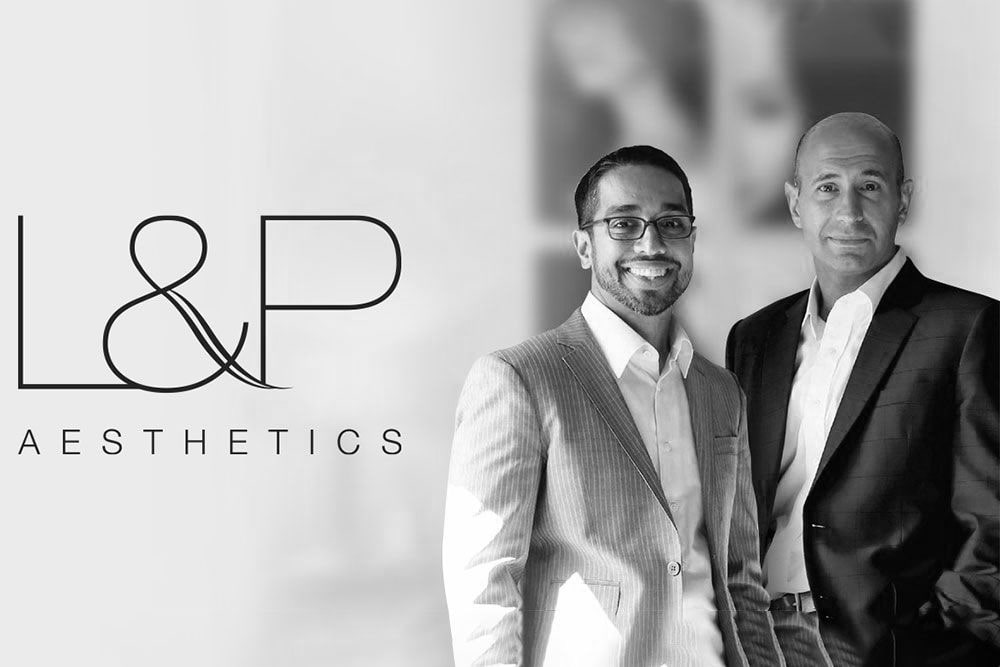
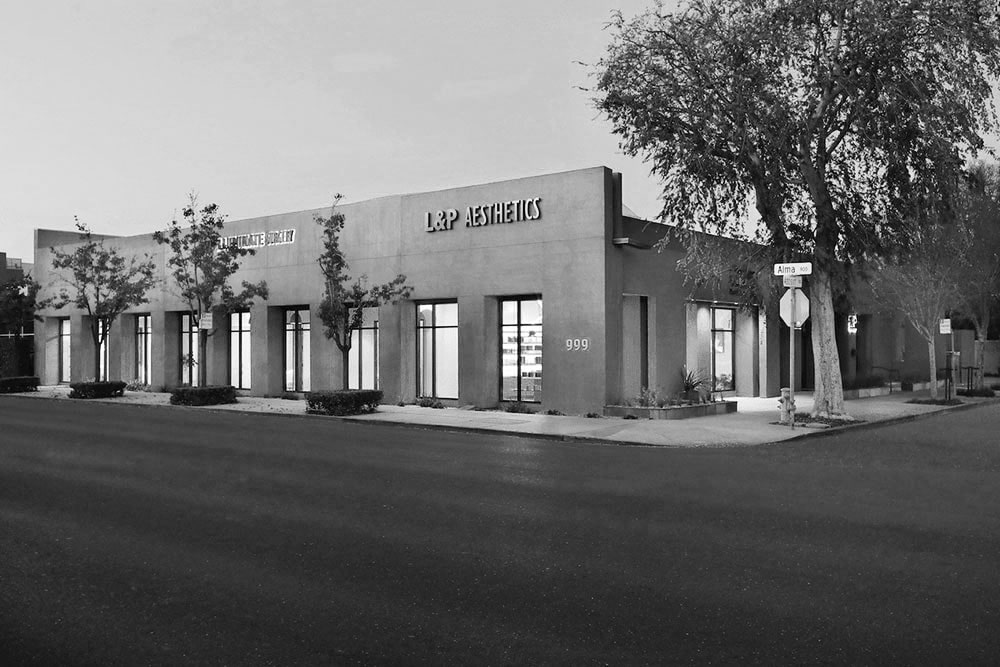
Dr. Sachin Parikh is a double board-certified, fellowship-trained facial plastic and reconstructive surgeon and co-founder of L&P Aesthetics, with locations in Palo Alto and Los Gatos, California.
Dr. Parikh specializes exclusively in cosmetic and reconstructive facial surgery, with expertise spanning facial rejuvenation, facial balance, minimally invasive aesthetic treatments, and hair restoration. As an AAFPRS Fellowship Director, he also helps train the next generation of facial plastic surgeons.
Through The Center for Hair Restoration by L&P Aesthetics, Dr. Parikh and the L&P team provide personalized surgical and nonsurgical hair restoration options for women and men. Treatment plans are developed around each patient’s pattern of hair loss, existing hair, facial anatomy and long-term goals.
Read the full Vogue features on scalp serums and thinning hair products below:
I Didn’t Think I Needed A Scalp Serum Until I Tried These
After Months of Shedding, I Finally Found a Routine for My Thining Hair